Dwa domy mogą mieć podobne panele słoneczne i baterie, a mimo to zachowywać się zupełnie inaczej podczas awarii sieci. Jeden traci zasilanie. Drugi utrzymuje pracę kilku podstawowych obwodów. W odległej lokalizacji bez przyłącza do sieci to samo zdarzenie nie ma znaczenia, ponieważ obiekt już działa we własnej sieci elektrycznej.
Różnica nie sprowadza się wyłącznie do pojemności baterii. Systemy on-grid, off-grid i hybrydowe opisują różne relacje z siecią elektroenergetyczną. Aby je zrozumieć, warto zadać trzy pytania: Czy sieć jest obecna podczas normalnej pracy? Co ustanawia napięcie i częstotliwość, gdy sieci nie ma? Które źródła energii mogą zasilać odbiory?
Magazynowanie on-grid działa razem z siecią
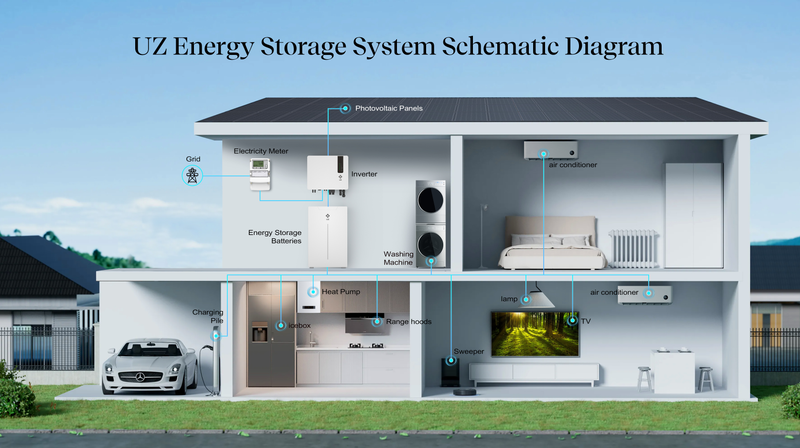
System on-grid, czyli system podłączony do sieci, pracuje równolegle z publiczną siecią elektroenergetyczną. Sieć zapewnia ustalone napięcie i częstotliwość AC, do których może dopasować się sprzęt grid-following. Pokrywa także różnicę między lokalną podażą i popytem: obiekt może pobierać energię, gdy produkcja z PV i baterii jest niewystarczająca, oraz eksportować nadwyżki tam, gdzie lokalne przepisy na to pozwalają.
Bateria on-grid może magazynować nadwyżkę energii słonecznej, przesuwać zużycie na inny moment lub realizować harmonogram pracy. „On-grid” nie oznacza więc „fotowoltaika bez baterii”. Oznacza, że system magazynowania jest zaprojektowany do współpracy z dostępną siecią podczas normalnej pracy.
Takie połączenie nie zapewnia automatycznie zasilania rezerwowego. U.S. Department of Energy wyjaśnia, że tradycyjne falowniki grid-following używają sieci jako odniesienia przebiegu i odłączają się, gdy zakłócenia wyjdą wystarczająco poza dopuszczalny zakres. Przewodnik aplikacyjny UL dla systemów falownikowych podobnie rozróżnia urządzenia współpracujące z siecią od urządzeń autonomicznych i wielotrybowych oraz opisuje zabezpieczenie antywyspowe, które zapobiega dalszemu eksportowi po awarii sieci.
W rezultacie naładowana bateria może fizycznie znajdować się w budynku, podczas gdy budynek i tak traci zasilanie. Dalsze zasilanie lokalnych odbiorów wymaga systemu zaprojektowanego tak, aby oddzielił się od uszkodzonej sieci i pracował jako celowa wyspa. Pojemność baterii mówi, ile energii jest dostępne; nie dowodzi, że instalacja potrafi wykorzystać tę energię podczas awarii.
Praca off-grid wymaga lokalnego odniesienia elektrycznego
System off-grid nie ma publicznej sieci, na której może się oprzeć. Tam, gdzie obiekt zasila odbiory AC, urządzenia w systemie muszą ustanowić lokalne napięcie i częstotliwość, utrzymując równowagę między wytwarzaniem, magazynowaniem i zapotrzebowaniem z chwili na chwilę. W systemie opartym na falownikach rolę tę zwykle pełni sprzęt grid-forming lub zdolny do pracy autonomicznej, a nie konwencjonalny falownik grid-following.
Bateria i falownik razem pomagają zarządzać krótkimi i długimi nierównowagami. Mogą reagować, gdy uruchamia się silnik lub gdy chmura zmniejsza uzysk PV, a następnie zasilać odbiory po zachodzie słońca. Nadal są tylko częścią systemu zasilania. Energia może pochodzić również ze słońca, wiatru, hydro lub generatora paliwowego, a system sterowania musi koordynować ładowanie, rozładowywanie, generację, poziomy rezerwy oraz, jeśli projekt na to pozwala, odłączanie odbiorów niekrytycznych.
Dlatego projektowanie off-grid jest bardziej wymagające niż dodanie dużej baterii. Projekt musi pokryć najwyższe jednoczesne zapotrzebowanie odbiorów, które ma obsługiwać, i utrzymać je przez oczekiwane przerwy w generacji odnawialnej, wykorzystując zmagazynowaną energię oraz każde dyspozycyjne lokalne źródło. Sezonowość generacji, zmienność pogody, wzrost obciążenia, straty sprzętowe i marginesy rezerwy wpływają na wynik.
Zewnętrzny generator nie czyni systemu „on-grid”. System pozostaje off-grid tak długo, jak nie jest podłączony do publicznej sieci. IEA Photovoltaic Power Systems Programme dokumentuje systemy off-grid łączące PV, baterie i zespoły prądotwórcze, a dokumentacja systemów autonomicznych SMA pokazuje konkretny przykład falownika bateryjnego tworzącego lokalną sieć i koordynującego baterie, generatory oraz odbiory. W tym kontekście generator jest kolejnym lokalnym źródłem energii, często utrzymywanym na okresy, gdy generacja odnawialna i energia zmagazynowana są niewystarczające.
„Hybrydowy” opisuje zdolność, nie gwarantowany rezultat
W tym porównaniu hybrydowy oznacza podłączony do sieci system magazynowania, który ma obsługiwać więcej niż jeden tryb pracy. Gdy sieć jest dostępna, może pobierać, eksportować, ładować i rozładowywać energię zgodnie z celami obiektu oraz lokalnymi zasadami. Po wykryciu awarii konfiguracja zdolna do backupu może odizolować chronione obwody i ustanowić lokalne zasilanie. Wytyczne DOE dotyczące odporności opisują systemy solar-plus-storage przełączające się w tryb wyspowy po utracie zasilania z sieci i ponownie podłączające się po przywróceniu usługi.
Słowo „hybrydowy” bywa jednak używane luźno. Raport IEA PVPS używa na przykład określenia „PV hybrid system” także dla kombinacji off-grid obejmujących PV, baterie i generację diesla. W praktyce etykieta pozostawia bez odpowiedzi kilka pytań: które obwody pozostają zasilane, jak szybko następuje przełączenie i czy falownik może uruchomić oraz podtrzymać wyspę bez sieci.
Te funkcje trzeba weryfikować na poziomie systemu. Działająca instalacja rezerwowa wymaga odpowiednich zdolności konwersji mocy, urządzeń izolujących lub przełączających, kompatybilnych baterii i sterowania oraz zdefiniowanej granicy odbiorów rezerwowych. Niektóre systemy obsługują tylko dedykowane wyjście odbiorów podstawowych; inne mogą być projektowane dla większej części budynku. Dostępna energia baterii wpływa na czas pracy, natomiast moc falownika i projekt obwodów rezerwowych decydują, które odbiory mogą działać razem.
Patrząc w ten sposób, trzy kategorie opisują układy pracy, a nie klasy jakości produktów. System podłączony do sieci może wystarczyć tam, gdzie zasilanie sieciowe jest niezawodne i nie ma potrzeby zasilania podczas awarii. Obiekt bez sieci potrzebuje samowystarczalnej sieci zasilania. Obiekt, który ma normalnie korzystać z sieci i utrzymywać wybrane odbiory podczas awarii, potrzebuje zweryfikowanej konfiguracji wielotrybowej. Zdolności wyspowania, przełączania, obsługi obciążeń i sterowania mówią więcej niż kategoria wydrukowana na falowniku.