Polska weszła w sierpień z integracją odnawialnych źródeł energii już pod widoczną presją. PSE poleciły instalacjom fotowoltaicznym ograniczać generację każdego dnia od 20 do 27 lipca. Następnie, na początku sierpnia, ogłoszono okresy przywołania na rynku mocy: 4 sierpnia od 17:00 do 19:00 oraz ponownie 6 sierpnia od 17:00 do 22:00. (PSE) (Money.pl) (Radio ZET)
Na pierwszy rzut oka ta kombinacja zachęca do prostego wyjaśnienia: zbyt dużo energii słonecznej w jednym momencie, a później zbyt mało mocy. Dowody wskazują jednak na bardziej złożony obraz. Redysponowanie i przywołania na rynku mocy odpowiadają na różne warunki pracy systemu, a nie ma podstaw, by zakładać, że ograniczenie generacji fotowoltaicznej we wcześniejszych okresach koniecznie zapobiegłoby późniejszemu przywołaniu mocy.
Razem pokazują jednak szersze wyzwanie. System elektroenergetyczny z rosnącym udziałem zmiennych OZE musi radzić sobie z warunkami, które mogą istotnie zmieniać się z godziny na godzinę. W jednych momentach potrzebuje spadku generacji lub wzrostu zużycia. W innych musi nadal mieć dostępną moc dyspozycyjną i wystarczającą rezerwę.
Redysponowanie fotowoltaiki staje się powtarzalnym problemem operacyjnym
Lipcowa sekwencja była częścią dłuższego wzorca. Według polskiego Urzędu Regulacji Energetyki, URE, PSE poleciły w 2024 roku 597.26 GWh nierynkowych redukcji generacji fotowoltaicznej. Z tej całości 595.17 GWh przypisano bilansowaniu krajowego systemu elektroenergetycznego, a tylko 2.09 GWh ograniczeniom sieciowym. Łączny wolumen redukcji PV był o 2,362% wyższy niż w 2023 roku. PSE poleciły także prawie 125.1 GWh redukcji generacji wiatrowej, z czego 118.05 GWh dotyczyło bilansowania, a 7.03 GWh ograniczeń sieciowych. (URE)
To rozróżnienie ma znaczenie. Ograniczanie OZE często kojarzy się przede wszystkim z przeciążeniami przesyłowymi, lecz polskie dane pokazują, że bilansowanie systemu było znacznie większym powodem redukcji PV zlecanych przez PSE.
PSE wyjaśniają, że produkcja i zużycie energii elektrycznej muszą pozostawać stale zbilansowane. Gdy wysoki potencjał generacji odnawialnej zbiega się ze stosunkowo niskim zapotrzebowaniem, system może mieć nadmiar dostępnej generacji i jednocześnie niedobór elastyczności w dół, czyli zdolności do zmniejszenia produkcji lub innego pochłonięcia nadwyżki. Nierynkowe redysponowanie OZE jest stosowane dopiero wtedy, gdy inne dostępne środki bilansujące są niewystarczające. Powtarzające się redukcje PV lepiej więc rozumieć jako problem elastyczności niż po prostu jako dowód na „zbyt dużo słońca”. (PSE)
Przywołania na rynku mocy odzwierciedlają inną potrzebę systemu
Rynek mocy działa po drugiej stronie systemu. Jego celem jest zapewnienie, że wystarczająca moc dyspozycyjna będzie dostępna, gdy warunki rezerwowe staną się ciaśniejsze.
4 sierpnia PSE ogłosiły okres przywołania od 17:00 do 19:00. Dwa dni później kolejne przywołanie trwało od 17:00 do 22:00. Takie zdarzenia wymagają od zasobów objętych obowiązkami mocowymi realizacji tych zobowiązań; nie są równoznaczne z przerwami w zasilaniu gospodarstw domowych. (Money.pl) (Radio ZET)
Mechanizm został uruchomiony także 30 czerwca, gdy PSE ogłosiły cztery kolejne jednogodzinne okresy przywołania od 18:00 do 22:00. PSE wskazały, że podmioty objęte obowiązkami mocowymi musiały udostępnić zakontraktowaną moc w tych godzinach. (PSE)
Redysponowanie PV i przywołania mocowe reprezentują więc różne warunki operacyjne, a nie dwie połowy udowodnionej dziennej sekwencji przyczynowo-skutkowej. Jedno podkreśla potrzebę zarządzania okresami nadmiaru dostępnej generacji odnawialnej; drugie koncentruje się na mocy dyspozycyjnej i rezerwie, gdy warunki systemowe stają się trudniejsze. Ich wspólną cechą jest elastyczność. Sama większa zainstalowana moc wytwórcza nie gwarantuje, że właściwy typ zasobu będzie dostępny we właściwym czasie.
Ocena elastyczności Polski jest częścią szerszej zmiany w UE
Nie jest to już tylko interpretacja kilku letnich zdarzeń. 29 lipca PSE opublikowały polską ocenę szacowanych potrzeb elastyczności systemu elektroenergetycznego na lata 2030 i 2035. PSE poinformowały, że raport został zatwierdzony przez URE i przekazany Komisji Europejskiej oraz ACER. (PSE)
Kontekst europejski sprawia, że ten rozwój jest ważniejszy. ACER zatwierdziła w lipcu 2025 roku wspólną unijną metodykę krajowych ocen potrzeb elastyczności. Ramy wymagają od państw członkowskich oceny, ile niefosylnej elastyczności potrzebują ich systemy, oraz rozróżniają elastyczność sieciową i szerszą elastyczność systemową. Wyniki krajowe mają wspierać wyznaczanie orientacyjnych celów dla zasobów takich jak magazynowanie i reakcja popytu. (ACER)
Polski raport jest więc częścią szerszej zmiany w europejskim planowaniu rynku energii elektrycznej: elastyczność jest traktowana jako coś, co można ocenić i wspierać poprzez projekt rynku, a nie jako ogólna korzyść, która po prostu pojawi się wraz z budową większej liczby OZE.
Elastyczność może pochodzić z kilku źródeł: elastycznej generacji, reakcji popytu, wymiany transgranicznej, magazynowania oraz działań sieciowych. Same PSE wskazują elastyczne zużycie i magazynowanie energii wśród opcji lepszego wykorzystania okresów nadwyżek energii elektrycznej, w tym konkretnie magazynowanie ciepła. Baterie są jedną częścią szerszego zestawu narzędzi, a nie jedną odpowiedzią na każde ograniczenie. (PSE)
Gdzie pasują baterie i gdzie projekty stają się bardziej złożone
BESS może reagować w obu kierunkach. Może ładować się, gdy energii elektrycznej jest dużo, i rozładowywać się, gdy energia staje się dla systemu bardziej wartościowa. To czyni przesuwanie energii intuicyjną odpowiedzią na rosnącą zmienność, ale uzasadnienie komercyjne wykracza poza prosty model „ładuj w południe, rozładowuj wieczorem”.
Rzeczywisty projekt potrzebuje odpowiedniego dostępu do sieci, właściwej mocy i czasu trwania energii, zarządzania stanem naładowania oraz dostępu do rynków, które wynagradzają usługi, jakie może świadczyć. Czas trwania zmienia to, co bateria realnie może zrobić, a przeznaczenie mocy na jedną usługę może ograniczyć to, co pozostaje dostępne dla innej. Bardziej intensywna praca cykliczna wpływa też na degradację i długoterminową wydajność.
Dlatego optymalizacja staje się częścią polskiej historii BESS.
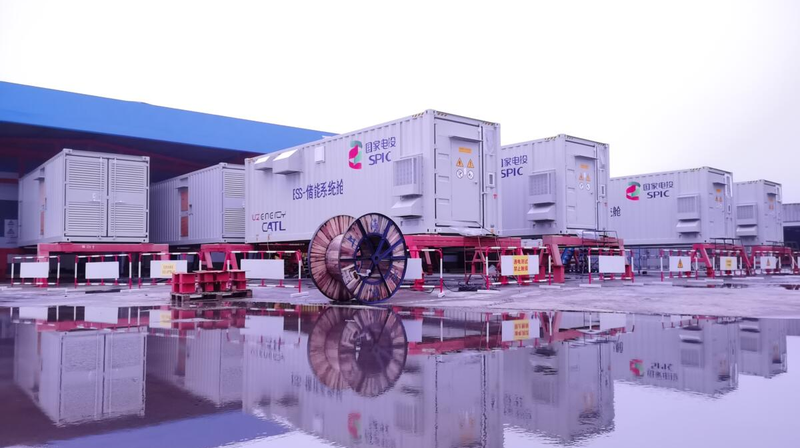
Projekt bateryjny Greenvolt Power 200 MW / 800 MWh Turośń Kościelna wszedł do eksploatacji komercyjnej w lipcu 2026 roku, według Entrix. Energy-Storage.News podał, że czterogodzinny projekt jest przyłączony na poziomie 110 kV i stanowi część polskiego portfela rynku mocy Greenvolt. Entrix, odpowiedzialny za optymalizację i handel, informuje, że bateria będzie dysponowana z wykorzystaniem strategii wielorynkowej i ma uczestniczyć w polskim rynku mocy od 2028 roku. (Entrix) (Energy-Storage.News)
Ten projekt daje realny odpowiednik dyskusji systemowej. Pokazuje, że wartość dużego BESS może zależeć od alokacji możliwości baterii między kilka rynków, a nie od jednej okazji arbitrażowej.
Entrix i Greenvolt uzgodniły również optymalizację i handel szerszym polskim portfelem BESS o mocy 1.3 GW / 5.2 GWh na rynkach obejmujących FCR, aFRR, rynek dnia następnego i handel intraday. Ponieważ informacje pochodzą od firm bezpośrednio zaangażowanych w projekty, należy je czytać jako dowód komercyjny, a nie niezależną prognozę rynkową. (Entrix)
Następne pytanie brzmi, czy elastyczność stanie się bankowalna
Fizyczne uzasadnienie elastyczności staje się jaśniejsze. Powtarzające się redysponowanie PV pokazuje, że okresy wysokiej dostępności energii odnawialnej mogą tworzyć realną presję bilansującą. Przywołania na rynku mocy podkreślają inne wymaganie: zasoby dyspozycyjne nadal mają znaczenie, gdy warunki rezerwowe się zacieśniają. Formalna polska ocena na lata 2030–2035, razem z unijnymi ramami zatwierdzonymi przez ACER, pokazuje, że temat wchodzi do długoterminowego planowania systemu i rynku.
Dla deweloperów i inwestorów magazynowania trudniejsze pytanie brzmi, jaka część tej potrzeby systemowej może zostać przekształcona w przewidywalne przychody projektu. Płatności mocowe, usługi bilansujące, handel hurtowy, dostęp do sieci, czas trwania magazynowania i strategia optymalizacji mogą wpływać na ekonomikę projektu. Turośń Kościelna jest wczesnym przykładem tego, jak ta wartość może rozkładać się na więcej niż jeden rynek.
Kolejne wyzwanie Polski jest szersze niż dodawanie kolejnych megawatów OZE lub baterii. System musi absorbować energię elektryczną, gdy produkcja odnawialna jest obfita, utrzymywać moc dyspozycyjną, gdy warunki się zaostrzają, oraz tworzyć sygnały rynkowe wynagradzające zasoby zdolne do poruszania się między tymi potrzebami.
Dla polskiego rynku magazynowania energii kluczowym sygnałem do obserwowania jest to, czy rosnąca potrzeba elastyczności przełoży się na struktury przychodów wystarczająco silne i przewidywalne, aby kolejna fala projektów BESS była bankowalna.