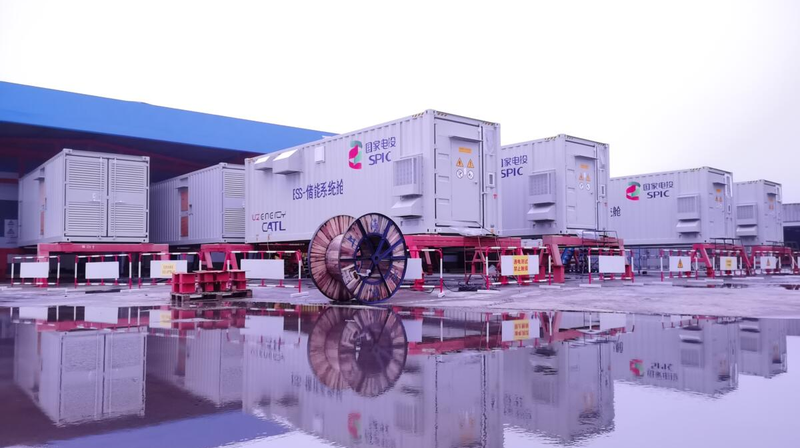
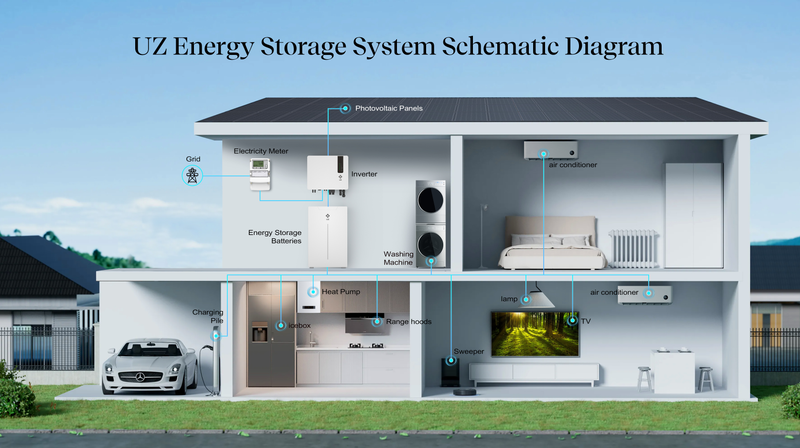
Komercyjny system magazynowania nie jest po prostu powiększoną wersją systemu mieszkaniowego. Oba wykorzystują baterie do przechowywania energii i elektronikę mocy do jej przemieszczania, ale otoczenie obiektu zmienia problem projektowy. System domowy często zaczyna się od stosunkowo znanego środowiska elektrycznego i niewielkiego zestawu celów, takich jak backup lub autokonsumpcja. Obiekt komercyjny lub przemysłowy może mieć większe i bardziej zmienne obciążenia, bardziej złożoną dystrybucję elektryczną, urządzenia, których nie można łatwo przerwać, oraz kilka celów operacyjnych konkurujących o tę samą baterię. Kluczowa różnica nie polega więc wyłącznie na wielkości baterii. Chodzi o to, jak głęboko system magazynowania musi dopasować się do sposobu, w jaki obiekt już korzysta z energii elektrycznej.
Obiekt zmienia znaczenie „właściwego rozmiaru”
W mieszkaniowym projekcie backupu pytanie o obciążenie często można zawęzić do obwodów, które właściciel domu chce podtrzymać, oraz liczby godzin, przez które mają pozostać dostępne. Obiekt komercyjny zwykle wymaga szerszego spojrzenia. Dzienne i tygodniowe profile obciążenia mogą pokazać, czy zapotrzebowanie jest stabilne, gwałtownie rośnie w określonych godzinach albo podąża za produkcją, chłodzeniem, obecnością użytkowników lub harmonogramami ładowania. Badania NREL dotyczące budynków komercyjnych wykazały, że wśród badanych zmiennych kształt profilu obciążenia był najsilniejszym predyktorem optymalnej wielkości baterii do zarządzania popytem za licznikiem. (NREL)
Oznacza to, że dwa obiekty komercyjne o podobnym rocznym zużyciu energii nadal mogą potrzebować bardzo różnych systemów magazynowania. Krótki, ostry szczyt może wymagać innej równowagi między mocą a energią niż długi okres podwyższonego zapotrzebowania. Obiekt, który chce także zapewnić backup wybranych krytycznych odbiorów, dodaje kolejne wymaganie. Roczne zużycie jest użytecznym kontekstem, ale nie mówi projektantowi, kiedy bateria musi pracować najciężej ani jak długo trwa to zapotrzebowanie.
Integracja elektryczna również staje się bardziej zależna od konkretnego obiektu. Instalacja mieszkaniowa często mieści się w znanym układzie przyłącza domowego. Projekt C&I musi pasować do rzeczywistego zakładu: jego faz i napięcia, punktu przyłączenia oraz urządzeń między systemem bateryjnym a resztą systemu elektrycznego. IEEE 1547 ilustruje tę różnicę, określając konkretne wymagania techniczne dotyczące przyłączania i interoperacyjności rozproszonych zasobów energii z systemem elektroenergetycznym. (IEEE Standards Association)
Wraz ze wzrostem systemów bardziej widoczne staje się otaczające wyposażenie. PNNL opisuje system magazynowania energii jako coś więcej niż sam blok magazynowania: obejmuje on również urządzenia mocy, sterowanie i komunikację oraz integrację systemową, a szersza instalacja może wymagać sprzętu integracji z siecią, takiego jak transformatory, pomiary i wyłączniki izolacyjne. (PNNL) Produkt mieszkaniowy może ściśle integrować wiele funkcji. Większa instalacja C&I może rozdzielać je na kilka urządzeń. Praktyczna różnica nie polega na tym, że każdy system komercyjny musi wyglądać tak samo, lecz na tym, że istnieje więcej interfejsów, które muszą poprawnie współpracować.
Cykl pracy to kolejna różnica, którą sama pojemność ukrywa. Bateria utrzymywana głównie jako domowy backup może przez długi czas czekać na awarię lub realizować stosunkowo prosty harmonogram autokonsumpcji. Bateria C&I może być oczekiwana do wielokrotnego ładowania i rozładowywania podczas normalnej pracy, aby zarządzać zapotrzebowaniem obiektu albo współpracować z innymi zasobami na miejscu. Ta sama nominalna liczba kWh może więc oznaczać zupełnie inne zadanie. Projekt musi uwzględniać nie tylko maksymalne kW i całkowite kWh, lecz także to, jak często bateria będzie używana i który cel operacyjny ma pierwszeństwo, gdy kilka potrzeb konkuruje o tę samą zmagazynowaną energię.
Magazynowanie komercyjne musi pasować do sposobu pracy obiektu
Sterowanie nabiera znaczenia wraz ze wzrostem liczby połączonych systemów. Bateria komercyjna może wymagać wymiany informacji z licznikiem obiektu, PV, ładowaniem EV, automatyką budynkową lub innymi urządzeniami. PNNL zauważa, że integracja BESS za licznikiem może być bardziej złożona, gdy urządzenia używają różnych standardów i interfejsów komunikacyjnych; prace PNNL z 2025 roku nad interoperacyjnym sterowaniem BESS koncentrowały się właśnie na ograniczeniu tego problemu integracji. (PNNL) Dla czytelnika Storage 101 najważniejsza myśl jest prosta: bateria może być tylko jednym uczestnikiem większego systemu sterowania obiektu.
Redundancja nie jest automatycznie wymagana tylko dlatego, że projekt jest komercyjny, ale konsekwencja pojedynczej awarii staje się pytaniem projektowym. Jeśli jeden falownik, kontroler lub sekcja baterii jest niedostępna, czy cała usługa magazynowania znika, czy obiekt może przez pewien czas tolerować zmniejszoną pojemność? Dla firmy wykorzystującej magazynowanie głównie do obniżenia kosztów energii tymczasowa utrata systemu może być niedogodnością. Dla obiektu polegającego na magazynowaniu w celu wsparcia procesu lub obciążenia wrażliwego na ciągłość ta sama awaria może mieć znacznie większe znaczenie. Wymagany poziom redundancji powinien wynikać z tej konsekwencji, a nie z samej etykiety „komercyjny”.
Z tego samego powodu ważna jest serwisowalność. Ramy ESS PNNL traktują instalację i uruchomienie jako część dostarczenia systemu, a eksploatację i utrzymanie jako część utrzymywania systemu w pracy przez cały okres jego życia. (PNNL) Większa instalacja musi więc być praktyczna w uruchomieniu i utrzymaniu przez okres eksploatacji. Nie oznacza to, że każdy projekt C&I potrzebuje rozbudowanego programu utrzymania. Oznacza, że układ urządzeń i integracja systemowa nie powinny niepotrzebnie utrudniać rutynowego serwisu.
Użyteczne rozróżnienie nie polega więc na prostym przeciwstawieniu kategorii mieszkaniowej i komercyjnej. Magazynowanie mieszkaniowe zwykle projektuje się wokół domowego środowiska elektrycznego i mniejszego zestawu wymagań na poziomie obiektu. Magazynowanie C&I musi stać się częścią zakładu: jego profilu obciążenia, przyłącza elektrycznego, harmonogramu pracy, potrzeb sterowania, wymagań ciągłości oraz planu serwisowego. Dlatego przejście od baterii domowej do znacznie większego systemu komercyjnego nie jest prostym ćwiczeniem z mnożenia pojemności. Bateria wykonuje tę samą podstawową pracę, ale system wokół niej stał się bardziej złożony.