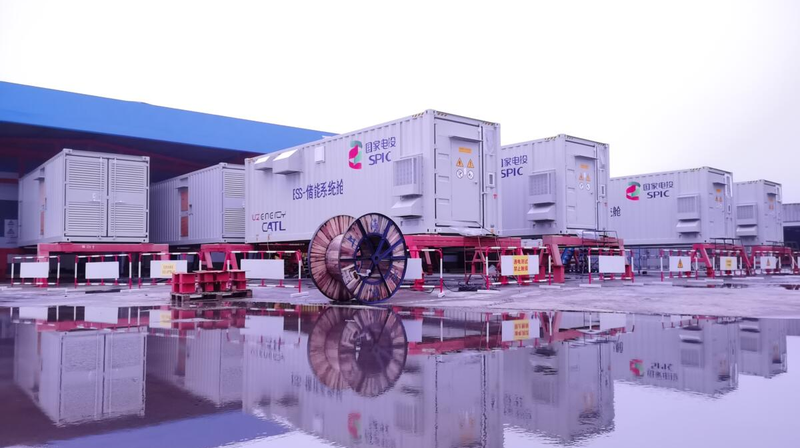
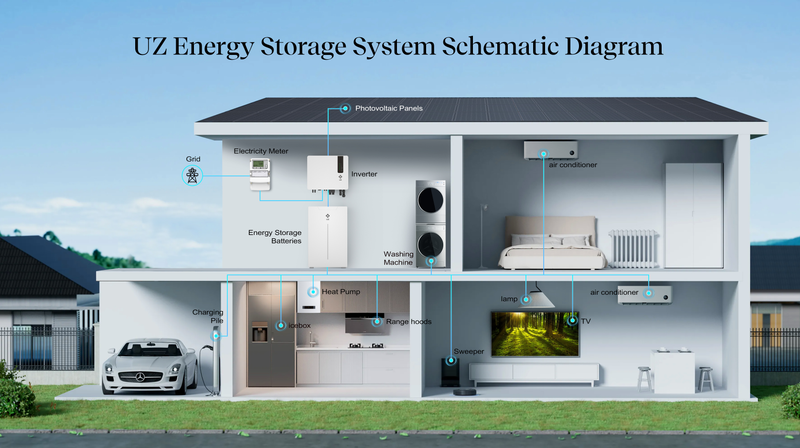
12 sierpnia 2026 roku UZ Energy z powodzeniem zainstalowała w Bułgarii 1MW/2.088MWh komercyjny i przemysłowy system magazynowania energii (BESS), wspierający fabrykę pracującą w trybie ciągłym oraz istniejącą instalację fotowoltaiczną o mocy 890kWp.
Projekt ma poprawić elastyczność energetyczną poprzez optymalizację autokonsumpcji energii słonecznej, redukcję szczytów poboru oraz inteligentne zarządzanie energią. Koordynując pracę baterii z zapotrzebowaniem fabryki na energię elektryczną i lokalną strukturą taryf, system umożliwia magazynowanie energii w okresach niższych kosztów i jej oddawanie wtedy, gdy zapotrzebowanie oraz ceny energii są wyższe.
Fabryka działa 24 godziny na dobę, przy maksymalnym obciążeniu około 870kW i średnim dziennym obciążeniu rzędu 200--300kW. Zainstalowany system magazynowania zapewnia do 1MW mocy ładowania i rozładowywania oraz 2.088MWh pojemności magazynowania.
Na podstawie obecnej strategii pracy i profilu obciążenia fabryki oczekuje się, że system będzie ładował około 1.9MWh w okresach pozaszczytowych i oddawał zmagazynowaną energię w okresach szczytowych, wspierając zużycie fabryki. Przesuwając część zapotrzebowania na energię elektryczną poza okresy wyższych kosztów, system pomaga optymalizować zużycie energii i daje większą kontrolę nad zarządzaniem energią w zakładzie.
Jednocześnie system bateryjny współpracuje z istniejącą w fabryce instalacją fotowoltaiczną 890kWp. Gdy produkcja energii słonecznej przekracza bieżące zapotrzebowanie na miejscu, dostępna energia może zostać zmagazynowana i wykorzystana później, gdy uzysk z PV spadnie. Pomaga to zwiększyć wykorzystanie lokalnie wytwarzanej energii odnawialnej i ograniczyć zależność od energii z sieci w okresach wyższych kosztów.
Rosnący rynek magazynowania energii w Bułgarii
Projekt jest wdrażany w czasie, gdy Bułgaria nadal wzmacnia integrację energii odnawialnej i infrastrukturę magazynowania energii.
W ramach Planu Odbudowy i Zwiększania Odporności Bułgaria wskazała rozwój energii odnawialnej, magazynowanie energii elektrycznej i infrastrukturę sieciową jako ważne elementy zielonej transformacji. Plan obejmuje inwestycje wspierające źródła energii odnawialnej, magazynowanie energii elektrycznej i zdolności połączeń międzysystemowych, odzwierciedlając rosnącą rolę magazynowania w integracji zmiennej generacji odnawialnej.
Bułgaria rozwija również inicjatywę National Infrastructure for Storage of Electricity from Renewable Sources (RESTORE), wspieraną przez unijny Instrument na rzecz Odbudowy i Zwiększania Odporności. Program ma zwiększyć zdolności magazynowania energii elektrycznej oraz poprawić elastyczność, bezpieczeństwo i stabilność bułgarskiego systemu elektroenergetycznego, umożliwiając większy udział energii odnawialnej.
Źródło: National Infrastructure for Storage of Electricity from Renewable Sources (RESTORE) --- Komisja Europejska
Te działania odzwierciedlają szerszy trend europejski: magazynowanie energii wychodzi poza tradycyjne zastosowania rezerwowe i staje się ważnym narzędziem integracji OZE, zarządzania szczytami oraz bardziej elastycznego zużycia energii elektrycznej.
Dla użytkowników przemysłowych tworzy to nowe możliwości łączenia produkcji fotowoltaicznej, magazynowania energii i strategii zarządzania energią w celu poprawy efektywności operacyjnej oraz ograniczenia ekspozycji na zmienne ceny energii elektrycznej.
Optymalizacja zużycia energii w fabryce dzięki magazynowaniu
Dla klientów komercyjnych i przemysłowych wartość systemu magazynowania energii zależy nie tylko od pojemności baterii, lecz także od tego, jak skutecznie system pracuje.
Bateria o tej samej pojemności może przynosić bardzo różne wyniki w zależności od profilu zapotrzebowania na energię, profilu produkcji słonecznej i lokalnych cen energii. Moment ładowania i rozładowywania bezpośrednio wpływa na wartość ekonomiczną tworzoną przez system.
W bułgarskim projekcie system magazynowania jest skonfigurowany wokół rzeczywistych warunków pracy fabryki. W okresach niższych cen bateria może absorbować energię, a w okresach wyższych cen oddawać zmagazynowaną energię elektryczną, aby wspierać obciążenia fabryki.
Przy obecnej strategii pracy i lokalnej różnicy cen energii między szczytem a doliną system ma według szacunków generować około €290--€320 dziennie brutto z arbitrażu szczyt-dolina wartości. Na podstawie obecnych założeń operacyjnych roczna wartość ekonomiczna może przekroczyć €100,000.
Rzeczywiste wyniki mogą się różnić w zależności od mechanizmów cen energii elektrycznej, profilu obciążenia fabryki, produkcji słonecznej, sprawności baterii, degradacji, strategii pracy i innych warunków właściwych dla danego obiektu.
Wsparcie długoterminowego zarządzania energią w przemyśle
Komercyjny i przemysłowy system magazynowania UZ Energy wdrożony w Bułgarii został zaprojektowany na okres eksploatacji około 10 do 15 lat, w zależności od warunków pracy i utrzymania.
W długim terminie wartość przemysłowego magazynowania energii wynika z czegoś więcej niż tylko z różnic cen energii elektrycznej. Łącząc wytwarzanie odnawialne, magazynowanie bateryjne i inteligentne strategie sterowania, zakłady przemysłowe mogą zyskać większą elastyczność w zakresie tego, jak i kiedy zużywają energię.
Projekt w Bułgarii pokazuje takie podejście poprzez integrację systemu magazynowania energii 1MW/2.088MWh z istniejącą instalacją fotowoltaiczną i stale pracującym obciążeniem fabrycznym.
Zamiast po prostu dodawać kolejną pojemność energetyczną, system zapewnia sposób aktywnego zarządzania zużyciem energii elektrycznej, poprawy wykorzystania energii słonecznej i adaptacji do zmieniających się warunków energetycznych.
Wraz z dalszym rozwojem energii odnawialnej w Europie komercyjne i przemysłowe magazynowanie energii będzie odgrywać coraz ważniejszą rolę w pomaganiu firmom w budowie bardziej elastycznych, efektywnych i odpornych systemów energetycznych.
Dla UZ Energy projekt ten jest kolejnym praktycznym przykładem tego, jak magazynowanie bateryjne może wspierać klientów przemysłowych, łącząc niezawodny sprzęt ze strategiami zarządzania energią dopasowanymi do konkretnego obiektu.