Energy storage is not converging on one universal product. In 2026, markets are separating more clearly by duty cycle, duration, interconnection, buyer and revenue model—even when projects use similar lithium-ion cells.
Battery markets are separating because the same cell can be asked to perform very different jobs. A utility-scale project shifting solar output into the evening, a household battery protecting essential loads and a data-center UPS may all use lithium-ion technology, but their system boundaries, dispatch patterns and buyers are not interchangeable.
Utility-scale projects are moving toward energy shifting
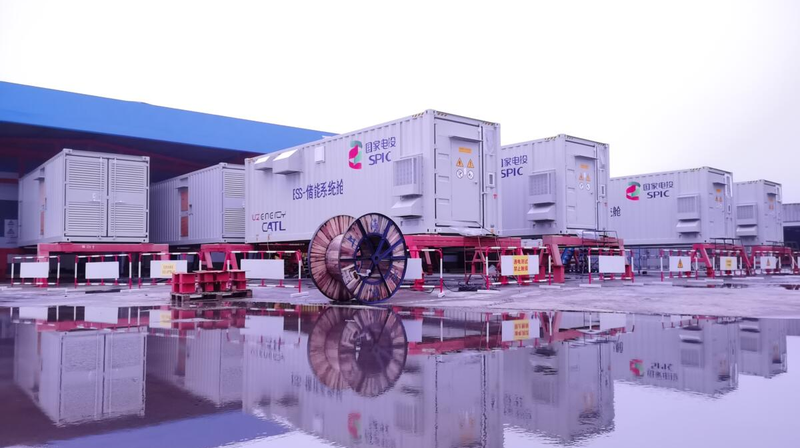
The IEA reports that 108 GW of new battery storage capacity was deployed worldwide in 2025, with around 80% of additions at utility scale. Energy shifting accounted for more than 90% of new projects by primary application, while the average duration of commissioned projects rose as systems with high solar penetration placed more value on moving electricity across the day.
This does not eliminate ancillary services. Batteries can still respond quickly for frequency control and reserves. It means the dominant investment case is increasingly built around larger energy volumes, capacity needs and renewable integration rather than a single shallow service market.
Behind-the-meter systems answer a different economic question
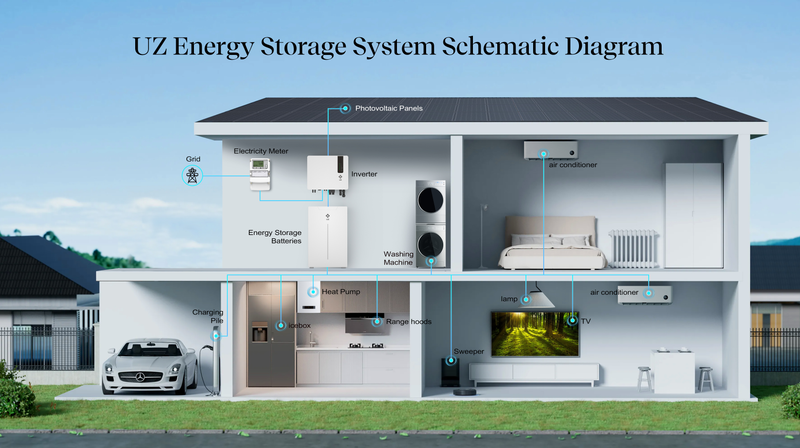
Residential and commercial batteries sit behind a customer's meter. Their value depends on retail tariffs, rooftop solar, demand charges, backup requirements and any program that pays for coordinated flexibility. A change in wholesale volatility may matter only indirectly if the tariff does not expose the customer to that signal.
Commercial and industrial systems also differ from residential systems in load shape, connection requirements, control complexity and how savings are measured. A factory may value demand management and continuity; a household may prioritize solar self-consumption and selected-load backup.
Duration is becoming a clearer dividing line. The IEA reports that most commissioned battery projects still cluster around two hours, while a growing share reaches four hours or more. Longer duration can support a wider energy-shifting window, but it also changes capital cost, land, charging requirements and the number of full cycles expected each year.
New buyers create new product boundaries
Data centers are expanding demand for battery-based UPS and onsite storage. Remote sites and mini-grids may optimize for fuel displacement and long autonomy. Some power systems need longer-duration resources that compete with, or complement, lithium-ion batteries through different technologies.
Chemistry is only one layer of segmentation. Lithium iron phosphate has become dominant in stationary deployments, according to the IEA, but cell chemistry does not define the complete product. Enclosure design, thermal management, fire strategy, power conversion, controls, certification and service coverage can be more important to a buyer than small differences in cell-level energy density.
Software further separates otherwise similar hardware. A behind-the-meter controller forecasts site load and tariff exposure. A utility-scale platform may schedule energy across wholesale markets while reserving power for grid services. A UPS controller prioritizes continuity and fault response. The value of the software depends on the operating obligation it can execute and verify.
Segmentation changes procurement
A useful request for proposals should begin with the duty rather than the battery. It should define power, usable energy, expected dispatch, reserve requirements, ambient conditions, response time, communications, metering and the consequence of non-performance. Only then can suppliers propose an architecture and warranty that match the actual use case.
The useful segmentation question is therefore not simply chemistry or market size. It is: who controls the asset, what event triggers dispatch, how long must output be sustained, how is performance verified and which constraint creates value? Those answers determine the appropriate power-to-energy ratio, control architecture, redundancy and commercial model.