Australia's next energy-transition constraint is not only renewable generation. Transmission, connection capacity, system strength, flexible demand and storage must develop together so electricity can move and remain secure when and where it is needed.

The Energy Transition Is Entering a Different Phase
Over the past decade, Australia has become one of the world’s fastest-moving renewable energy markets. Rooftop solar adoption has expanded rapidly across residential communities, while utility-scale solar, wind, and battery projects continue reshaping the National Electricity Market (NEM). For many years, the industry’s primary focus was straightforward: accelerate renewable deployment, reduce coal dependence, and increase clean electricity generation capacity as quickly as possible. By most measures, that transition has been highly successful. Australia now has some of the highest rooftop solar penetration levels globally, with distributed solar generation playing an increasingly important role across the electricity system.
However, as renewable penetration continues rising, the energy market is beginning to face a different type of challenge. The issue is no longer only about how much renewable electricity can be generated, but increasingly about how the grid can absorb, balance, and manage large volumes of distributed energy while maintaining system stability and reliability. What was once primarily a generation challenge is gradually becoming a network and flexibility challenge.
A Grid Designed for a Different Energy System
Australia’s electricity network was originally built around centralized generation and relatively predictable electricity demand patterns. Large coal-fired power stations supplied electricity through one-way transmission flows toward homes and businesses, allowing grid operators to manage supply and demand under relatively stable operating conditions. Today, the structure of the electricity system looks very different.
Millions of households now generate electricity through rooftop solar systems during daylight hours, significantly reducing daytime demand from the grid in many regions. During sunny afternoons, rooftop PV output can push operational demand to unusually low levels. However, once solar production declines later in the day, electricity demand rises rapidly again as households return to higher consumption levels, creating growing pressure on the grid to manage increasingly steep evening ramps.
As renewable penetration increases, maintaining frequency control, voltage stability, and network reliability is becoming considerably more complex than under traditional centralized generation models. In many ways, Australia is no longer facing a renewable generation challenge alone. It is increasingly facing a system flexibility challenge, where balancing electricity across different times of day is becoming just as important as generating clean power itself.
The “Duck Curve” Is Reshaping Market Conditions
This changing demand profile is often described as the “duck curve,” and it is becoming more pronounced across Australia’s electricity market. During the middle of the day, strong rooftop solar generation can significantly reduce operational demand on the grid. In some cases, wholesale electricity prices fall close to zero or move into negative territory because supply exceeds immediate demand. Later in the day, however, grid operators must quickly replace declining solar generation as evening demand rises. The faster renewable penetration grows, the steeper these evening ramps become.
States such as South Australia and Queensland are already experiencing these operating conditions regularly, making Australia one of the leading examples of how high-renewable electricity systems behave at scale. This is also beginning to reshape the economics of renewable energy itself. For many years, expanding renewable capacity was viewed as the primary objective. Today, the market is increasingly recognizing that generation capacity alone is not enough. Renewable electricity becomes significantly more valuable when it can be stored, shifted, and dispatched at the times when the grid needs it most.
Curtailment Is Highlighting the Limits of Existing Infrastructure
One of the clearest signs of growing grid pressure is the increase in solar curtailment across parts of Australia. Curtailment occurs when solar exports must be reduced because local networks cannot safely absorb additional electricity. In practical terms, this means renewable energy is available but cannot always be fully utilized by the grid. This issue is becoming more common in areas with high rooftop solar penetration and limited local network flexibility.
As a result, regulators and network operators are placing greater attention on distribution network modernization and long-term grid planning. In April 2026, the Australian Energy Market Commission (AEMC) released a draft rule proposal focused on improving long-term distribution network planning in response to the rapid growth of Consumer Energy Resources (CER), including rooftop solar, home batteries, and electric vehicles. The proposal aims to improve network visibility, reduce curtailment risks, and support more flexible grid integration for distributed energy systems.
The proposal reflects a broader shift in Australia’s energy policy direction. Rather than focusing only on renewable deployment, regulators are increasingly prioritizing how distributed energy can be integrated into the network efficiently and reliably as renewable penetration continues rising.
Australia Is Beginning to Shift Demand Toward Solar Generation
Recent policy developments also show how Australia’s energy market is adapting to changing renewable generation patterns. The federal government’s recently announced Solar Sharer Offer (SSO) provides households in selected regions with several hours of free electricity during midday periods when solar generation is highest. The goal is to encourage more daytime electricity consumption and reduce pressure during evening peak demand periods.
The policy reflects how the energy transition is entering a different stage. Only a few years ago, the industry conversation focused primarily on ensuring sufficient renewable generation capacity. Today, parts of the market are beginning to manage periods of renewable oversupply during daylight hours instead. This is gradually changing how policymakers, utilities, and energy companies think about electricity demand, storage, and load management.
Rather than simply increasing renewable generation, the focus is shifting toward improving overall system flexibility and better aligning electricity consumption with renewable production patterns. Demand response, smart energy management, and storage integration are becoming increasingly important parts of the broader electricity system.
Battery Storage Is Becoming a Core Part of Grid Stability
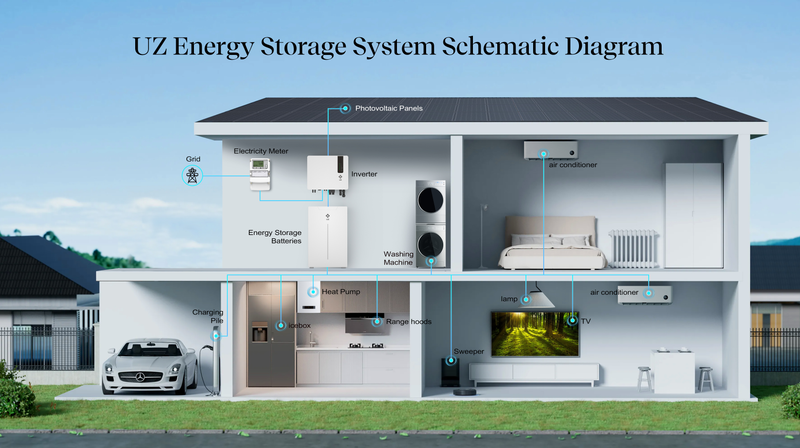
As renewable penetration rises, battery energy storage systems are becoming increasingly important across Australia’s electricity network. Initially, residential batteries were often viewed mainly as backup power solutions or tools for improving solar self-consumption. Their role is now expanding significantly beyond that.
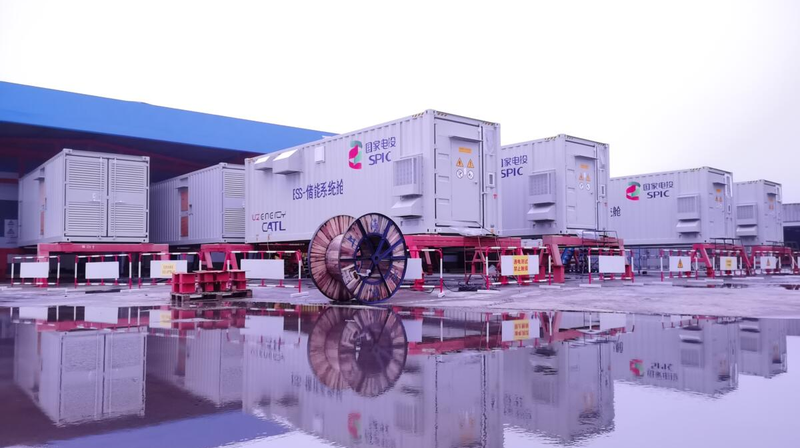
Battery systems are increasingly being used to absorb excess daytime solar generation and discharge electricity during evening demand periods when pressure on the grid is higher. This ability to shift energy across time is becoming critical in electricity markets with large amounts of intermittent renewable generation. At utility scale, battery storage is also playing a growing role in frequency response, voltage support, and fast grid balancing services as conventional coal generation gradually retires from the market.
Recent Australian market reports increasingly describe large-scale battery storage as a “system-shaping” technology within the future electricity network rather than simply a supplementary asset. This reflects a broader change across the energy sector, where the long-term value of renewable energy projects will depend not only on generation capacity, but also on how effectively electricity can be stored, coordinated, and integrated into the wider grid.
The Future Grid Will Require Greater Flexibility
Australia’s experience is increasingly being viewed as an early example of the challenges many energy markets may face as renewable penetration continues rising globally. The next phase of the energy transition will likely depend less on adding renewable generation capacity alone and more on improving the flexibility of the overall electricity system.
This includes investment in battery energy storage systems, smart energy management platforms, advanced inverter technologies, virtual power plants (VPPs), transmission infrastructure, and demand response systems. Together, these technologies will help electricity networks manage increasingly decentralized energy flows more efficiently and reliably.
Conclusion
Australia’s renewable energy transition continues to move rapidly, but the market is now entering a more complex stage of development. The challenge is no longer only about replacing fossil fuel generation with renewable energy. Increasingly, the focus is shifting toward how electricity systems can integrate large volumes of distributed renewable generation while maintaining stability, flexibility, and reliability.
Recent developments — including the AEMC’s proposed distribution network reforms and the federal government’s Solar Sharer Offer — show that grid flexibility and energy management are becoming central priorities for the future electricity market. As renewable penetration continues increasing, the long-term success of the energy transition will depend not only on how much clean electricity can be generated, but also on how effectively that electricity can be stored, balanced, and delivered across the grid.